- He lived here in a house opposite the Old Jail building, now city \u200b\u200bcouncil has told me a respectable lady in mourning. I knew him. We saw it happen with long black suit, stained. And never left the umbrella ... even if it were the sun. He lived with his mother. I also met his mother. In the evenings, Antonio went to the gathering of the shop for oil. True that when your mood is gloomy, he seemed isolated through the windows of the cafe "La Perla", delivered to their loneliness. He had a sad smile, as absent then. But when he met with his cronies in the back room, saying that his face was different and wasted much ingenuity.
 - What was said in Baeza Machado?
- No one took up too much of him. If we had known that then would be so famous ... When you put "rare" went without company, Úbeda road ahead. Úbeda is ten kilometers of Baeza. Many came to Ubeda afternoon walk. Drinking coffee and came up.
- How long were you in Baeza?
- The Institute was a professor of French. Be here about five years.
- came in 1912 ...
- The day first came a report that was submitted to the director of the Institute to his home. The maid who came to hear him open the door, Mr. director is in "agony." Machado turned pale. But the director was in a casino, who was nicknamed "The Agony" because its components, almost all farmers, spent their time predicting ruined by poor harvests and lack of rain.
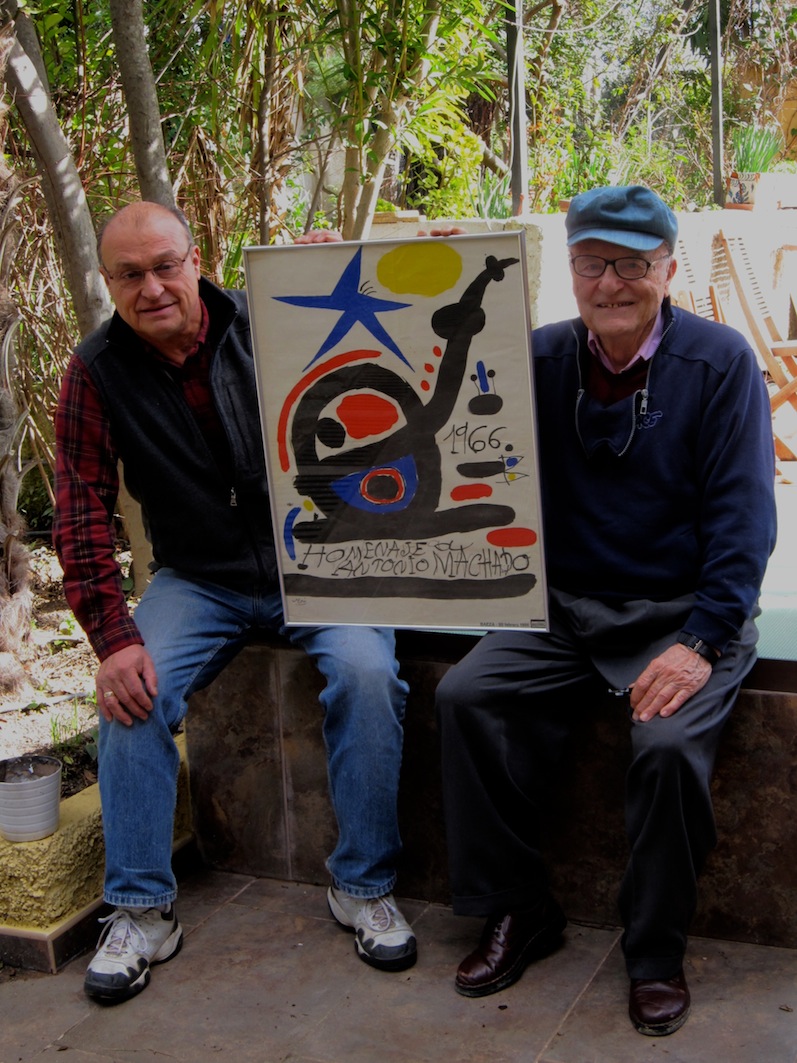
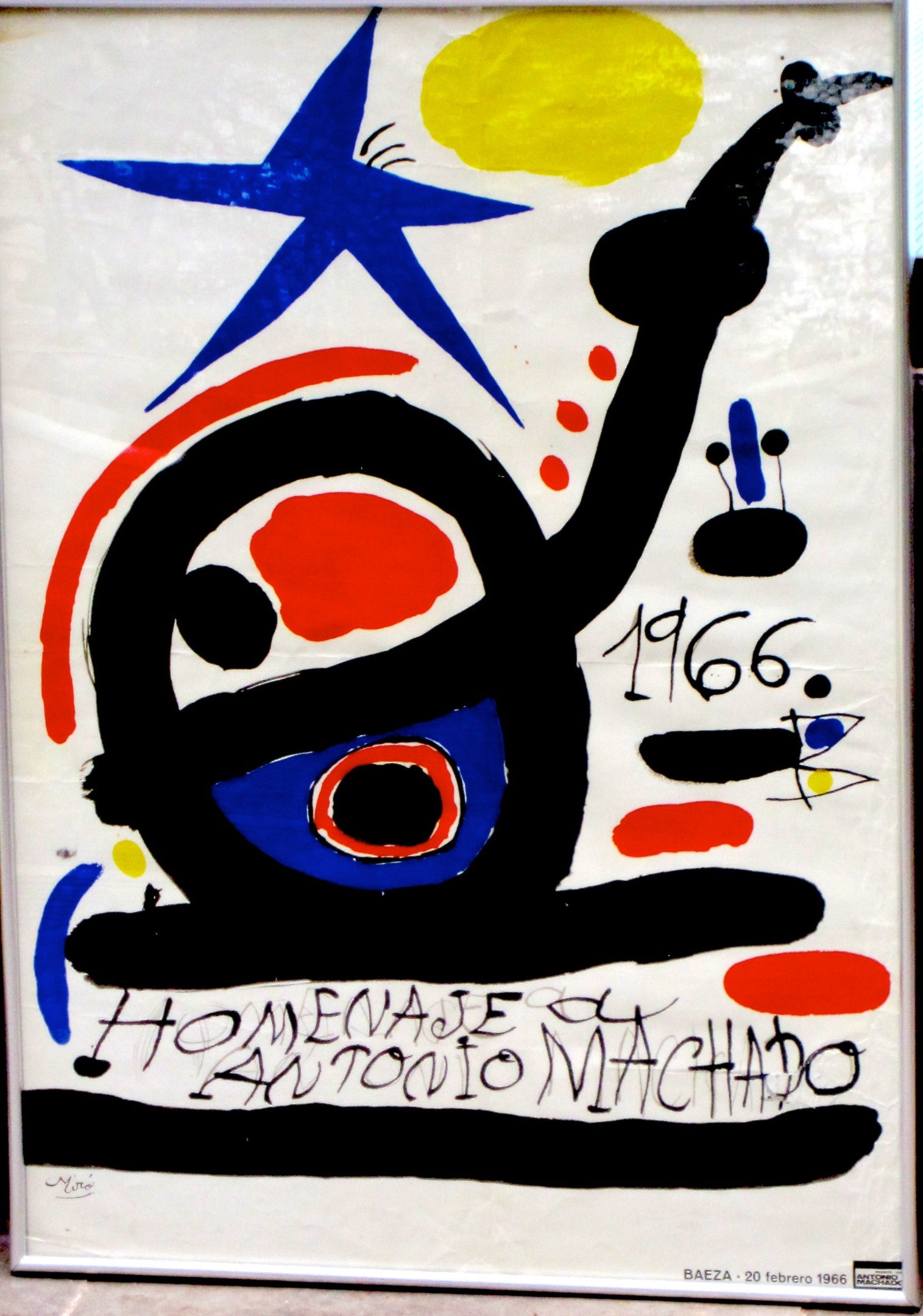
was the November 1, 1912 when Antonio Machado took up his professorship of French Language at the Institute of Baeza. Most recently widowed. Was thirty-seven years. Baeza elected in the contest of the movement. Surely he wanted to return to Andalusia, to find the "love of the land" away and the love of his wife dead. And so ...
that why? Poor Antonio. Let us hear him:
Behold now, Professor
of modern languages \u200b\u200b
(yesterday gay teacher-knowledge,
apprentice nightingale)
in a damp village cold
ramshackle and dark,
between Andalusia and La Mancha.
In the bottom of a darkened room, with perhaps a round table are Don Andres, Don José, Don Juan, Don Antonio ... "Don Antonio?
Volvámosle to listen:
is night. It talks
the back of a drugstore:
"I do not know, Jose,
how are the liberals
as dogs, as immoral.
- Oh, relax you!
After the carnival,
conservatives come
good stewards
from home.
That's life, Don Juan.
"True, that's life.
"The barley is grown.
"With these rains ...
And they beans that is a beauty.
"Certainly, pear blossom in March.
But the frost, ice ...
Baeza, "poor lady", is a city of flourishing under whose skin now see clearly the hunches of history. Baeza, in her womb, is defeated passion, passion warning, however, the battlements of a toothless glory. "Nido Real de Gavilanes" was called in the time of the Reconquista. Now his excellence is perpetuated in clots impressive. Its monuments are just that; custody in which holds the blood, beautiful and dead, past, from which radiates the breath stopped, embalmed, embalmed, of all the yesterdays. Near the Plaza de la Catedral-sigh lyrical lung in which the city opens to the nostalgia-loving is the Institute, former University, the first patron was Blessed John of Avila and the classrooms to explain San Juan de la Cruz ... What do you think Antonio Machado, a professor of French language, each morning, leaving after their lessons, classes and addressed the Institute with the appearance of the city?
In his autobiographical notes reads: "I moved to Baeza, where I reside today. My hobbies are walking and reading. " Walk and read ... Good program. Wandering slowly through the streets, alleys and squares of the city anchored, aground. Then his eyes widen in the fields of olive ubérrimos, leave your pupil-bee-sucking go subtly poetic material in bright prospects of the Guadalquivir valley, let shock after the blue background of mountains
Cazorla has snow
and Mágina, storm his veranda,
Aznaitín. To Granada, sunny hills,
mountains of sun and stone.
Antonio Machado bypasses Baeza. No passes, crosses. It makes your journey is imbued with the breath of the land ahead of Jaén, far yet, alas, their land Seville; further Soria land that lies in timeless sleep, the body of Eleanor. Walk, and the soul of the city, little by little, intimate with the poet's soul. Do not have, Baeza and poet, a single, friendly. painful longing, the same obsession? A Baeza Machado and it hurts inside time is gone. The poet and the city saved, deep, an empty identical. In the depths of the soul of Baeza is a hollow-shell resonance immortal-brother of hollow heart of Machado. So, to get rid of suggestion perhaps melancholy, the teacher-poet 'leak' each afternoon to the landscape, looking for the "ways in the afternoon '
The white trails
cross and away
looking disparate
villages of the valley and the mountains.
Highway fields ...
in vain. In vain because the lead followed by any alacrity Abbe pain of the eye, any flight of his thought:
Road in the afternoon ...
Oh, I can not walk with her!
walk and read. Because after the journey of every day, is bitter reflection each night. Machado, in his books, their roles. Machado, in his ideas, including his memories. In the periphery, their experiences y. .. inside his cave. Does your fault that time the poet does not find clear, for supreme comfort, God? But God must have his time fault, you lose "in the fog." He says ... So, Antonio, lost in the maze, find the Ariadne's thread of philosophy. And the thread is tangled. In Baeza, Antonio wants to shore up the building of his verses weightless, with buttresses more or less logical. Arises "Juan de Mairena", writer-poet of "The Sun." Fencing Antonio, Kant, Bergson, Plato. Meanwhile, deep, his pain and forward inalienable
On my desk, "The data
of consciousness, immediate."
Not bad this self fundamental
quota-free, sometimes
creative, original that I
who lives and feels within
mortal flesh, alas,
eager to jump
the walls of its pen.
- I repeat my good lady, "I knew him in mourning. We saw it happen with long black suit, stained. Never left the umbrella ... I had a sad smile, as absent ...
- No one took up too much of him. If we had known that then would be so famous ... When you put "rare" went without company, Úbeda road ahead. Úbeda is ten kilometers of Baeza. Many came to Ubeda afternoon walk. Drinking coffee and came up.
- How long were you in Baeza?
- The Institute was a professor of French. Be here about five years.
- came in 1912 ...
- The day first came a report that was submitted to the director of the Institute to his home. The maid who came to hear him open the door, Mr. director is in "agony." Machado turned pale. But the director was in a casino, who was nicknamed "The Agony" because its components, almost all farmers, spent their time predicting ruined by poor harvests and lack of rain.
was the November 1, 1912 when Antonio Machado took up his professorship of French Language at the Institute of Baeza. Most recently widowed. Was thirty-seven years. Baeza elected in the contest of the movement. Surely he wanted to return to Andalusia, to find the "love of the land" away and the love of his wife dead. And so ...
that why? Poor Antonio. Let us hear him:
Behold now, Professor
of modern languages \u200b\u200b
(yesterday gay teacher-knowledge,
apprentice nightingale)
in a damp village cold
ramshackle and dark,
between Andalusia and La Mancha.
In the bottom of a darkened room, with perhaps a round table are Don Andres, Don José, Don Juan, Don Antonio ... "Don Antonio?
Volvámosle to listen:
is night. It talks
the back of a drugstore:
"I do not know, Jose,
how are the liberals
as dogs, as immoral.
- Oh, relax you!
After the carnival,
conservatives come
good stewards
from home.
That's life, Don Juan.
"True, that's life.
"The barley is grown.
"With these rains ...
And they beans that is a beauty.
"Certainly, pear blossom in March.
But the frost, ice ...
Baeza, "poor lady", is a city of flourishing under whose skin now see clearly the hunches of history. Baeza, in her womb, is defeated passion, passion warning, however, the battlements of a toothless glory. "Nido Real de Gavilanes" was called in the time of the Reconquista. Now his excellence is perpetuated in clots impressive. Its monuments are just that; custody in which holds the blood, beautiful and dead, past, from which radiates the breath stopped, embalmed, embalmed, of all the yesterdays. Near the Plaza de la Catedral-sigh lyrical lung in which the city opens to the nostalgia-loving is the Institute, former University, the first patron was Blessed John of Avila and the classrooms to explain San Juan de la Cruz ... What do you think Antonio Machado, a professor of French language, each morning, leaving after their lessons, classes and addressed the Institute with the appearance of the city?
In his autobiographical notes reads: "I moved to Baeza, where I reside today. My hobbies are walking and reading. " Walk and read ... Good program. Wandering slowly through the streets, alleys and squares of the city anchored, aground. Then his eyes widen in the fields of olive ubérrimos, leave your pupil-bee-sucking go subtly poetic material in bright prospects of the Guadalquivir valley, let shock after the blue background of mountains
Cazorla has snow
and Mágina, storm his veranda,
Aznaitín. To Granada, sunny hills,
mountains of sun and stone.
Antonio Machado bypasses Baeza. No passes, crosses. It makes your journey is imbued with the breath of the land ahead of Jaén, far yet, alas, their land Seville; further Soria land that lies in timeless sleep, the body of Eleanor. Walk, and the soul of the city, little by little, intimate with the poet's soul. Do not have, Baeza and poet, a single, friendly. painful longing, the same obsession? A Baeza Machado and it hurts inside time is gone. The poet and the city saved, deep, an empty identical. In the depths of the soul of Baeza is a hollow-shell resonance immortal-brother of hollow heart of Machado. So, to get rid of suggestion perhaps melancholy, the teacher-poet 'leak' each afternoon to the landscape, looking for the "ways in the afternoon '
The white trails
cross and away
looking disparate
villages of the valley and the mountains.
Highway fields ...
in vain. In vain because the lead followed by any alacrity Abbe pain of the eye, any flight of his thought:
Road in the afternoon ...
Oh, I can not walk with her!
walk and read. Because after the journey of every day, is bitter reflection each night. Machado, in his books, their roles. Machado, in his ideas, including his memories. In the periphery, their experiences y. .. inside his cave. Does your fault that time the poet does not find clear, for supreme comfort, God? But God must have his time fault, you lose "in the fog." He says ... So, Antonio, lost in the maze, find the Ariadne's thread of philosophy. And the thread is tangled. In Baeza, Antonio wants to shore up the building of his verses weightless, with buttresses more or less logical. Arises "Juan de Mairena", writer-poet of "The Sun." Fencing Antonio, Kant, Bergson, Plato. Meanwhile, deep, his pain and forward inalienable
On my desk, "The data
of consciousness, immediate."
Not bad this self fundamental
quota-free, sometimes
creative, original that I
who lives and feels within
mortal flesh, alas,
eager to jump
the walls of its pen.
- I repeat my good lady, "I knew him in mourning. We saw it happen with long black suit, stained. Never left the umbrella ... I had a sad smile, as absent ...
JUAN Pasquau
ABC, April 17, 1959.
Antonio Chicharro In, ed., Baeza Antonio Machado and through critical Baeza, UNIA, 2009, 3 rd edition.